LNG Economy Challenged

  • 100,000 jobs
  • Debt-free B.C. (aka $100 billion Prosperity Fund)!
  • Over 150 years of gas supply!
  • Water impacts will be minimal
  • LNG will reduce global greenhouse gas emission

It is argued that the above claims being made for LNG in British Columbia are false. The rebuttal is that the much-heralded Petronas deal is so poor that it would add only about $0.2 billion per year to the B.C. budget’s $46 billion in revenues and total provincial debt of $43 billion.

Crude Oil Tanker Ban

li-file-photo-exxon-valdez-620-cp-00262832 (1)As promised, Prime Minister Justin Trudeau has called for a moratorium on crude oil tanker traffic for B.C.’s North Coast. This has implications for the contested Northern Gateway and the First Nations endorsed Spirit Eagle Pipeline proposals. Short of extensive downstream investments in crude oil refineries, such a moratorium leaves LNG as the only viable energy export from this coast.

The Closing LNG Window

The Canadian Association of Petroleum Producers (CAPP) warn that Canada’s natural gas industry will shrink unless LNG export terminals are approved and built promptly.  CAPP president and chief executive Tim McMillan warned “The window of opportunity for Canada’s LNG market will not stay open forever.”

No Status Indians

ic

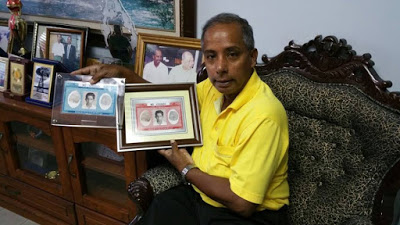
It is reported (and disputed) that there are some 350,000 Indians who are stateless in Malaysia due merely to technical reasons. They carry RED Identity Cards (IC) and are denied the programmes, services and rights that are due to all Malaysians – those who carry a BLUE IC.

Status Indians

crd2_1100100032425_eng

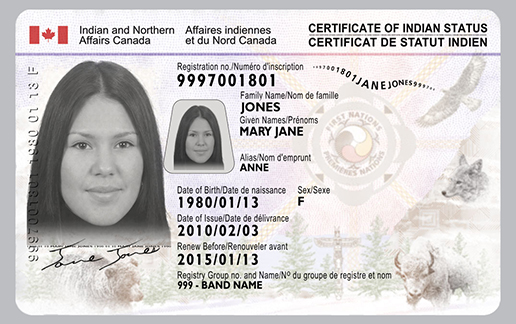
In Canada Status Indians, who are registered under the Indian Act, are entitled to a wide range of programs and services offered by federal agencies and provincial governments. Proof of Status is by way of a Secure Certificate of Indian Status (SCIS), commonly referred to as the Status card.

Some Towers Not Welcome

murugan

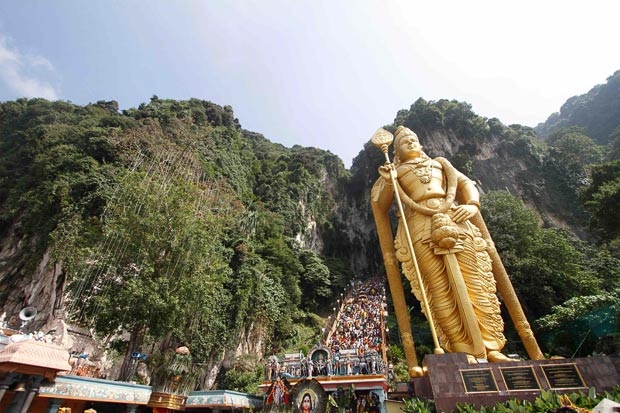
A retired justice of the Malaysian Court of Appeals has, with reference to the Constitution, opined that the towering idols of Hindus and Buddhists should not be built in the open, but should be placed within enclosed buildings. While I reject any
constitutional interpretation that permits the overt expression of religion only to Muslims, I can’t deny feeling empathy with the former judge to the extent that unmitigated hubris in religious art and architecture undermines the proper functioning of sacred form… be it in terms of bakthi, or tawhid.