
A significant aspect of the Sri Lanka Genocide model (for an explanation of this term, see Applying the Sri Lanka Genocide Model in Gaza 2) is the suppression of news and expression in the media. I will go into the similarities of censorship in the wars in Sri Lanka and in Gaza later but, in the present post, I would like to address a suppression I have just experienced on Facebook. My previous WordPress post, titled Applying the Sri Lanka Genocide Model in Gaza 3, was originally headed by the image of a Tamil Elam flag. This is very similar to the LTTE flag but it is not the same; the difference being in inscriptions in Tamil and English. This difference is explained clearly on Tamilnation.org as follows, “The Tiger symbol of Liberation Tigers of Tamileelam (LTTE) created in 1977, was designated as the National Flag of Tamileelam in 1990 differentiating it from the LTTE’s emblem by leaving out the letters inscribing the movement’s name. The Restructure site explains further, “Yes, the Liberation Tigers of Tamil Eelam created and use the Tamil Eelam flag. It makes sense since they support the Tamil Eelam. However, not everyone who supports the Tamil Eelam supports the Liberation Tigers of Tamil Eelam. The Liberation Tigers of Eelam supporters are a proper subset of Tamil Eelam supporters.”
When I re-posted my WordPress post on on Facebook, I received a warning about posting offensive material, and my post was blocked. I have also had many Facebook privileges removed for a period of one month as some kind of penalty. In this context, it is important to note that, while the LTTE is a proscribed organization and that it would be reasonable for their flag to be prohibited on Facebook, the Tamil Elam flag is different from the LTTE flag, and its display is permitted in many nations around the world that have prohibited the LTTE. Canada, where I reside, is a case in point, as here it is not only legal but also promoted by representatives of different levels of Canadian government.
The scene pictured above is of the Tamil Eelam National Flag Day being celebrated in Brampton Ontario in Nov 2023. Brampton Mayor Patrick Broey, who officiated at the ceremony at the town hall where the Tamil Eelam flags were flown, said, “Today and every day, we celebrate the resilience of the Tamil community and the contributions that Canadian Tamils have made in enriching our communities in Brampton and across the country. We will never forget the atrocities and human rights abuses of the Tamil genocide. We celebrate the resilience of the Tamil community.” Other government representatives who made statements of support on this Tamil Eelam National Flag Day include, Shaun Collier, Mayor of Ajax; Jagmeet Singh, Leader of the New Democratic Party (NDP); Ruby Sahota, Member of Parliament for Brampton North; David West, Mayor of the City of Richmond Hill; Iqra Khalid, Member of Parliament for Mississauga-Erin Mills; Shaun Chen, Member of Parliament for Scarborough North; Shafqat Ali, Member of Parliament Brampton Centre: Logan Kanapathi, Member of Provincial Parliament for Markham-Thornhill; and Elizabeth Roy, Mayor of the City of Whitby.

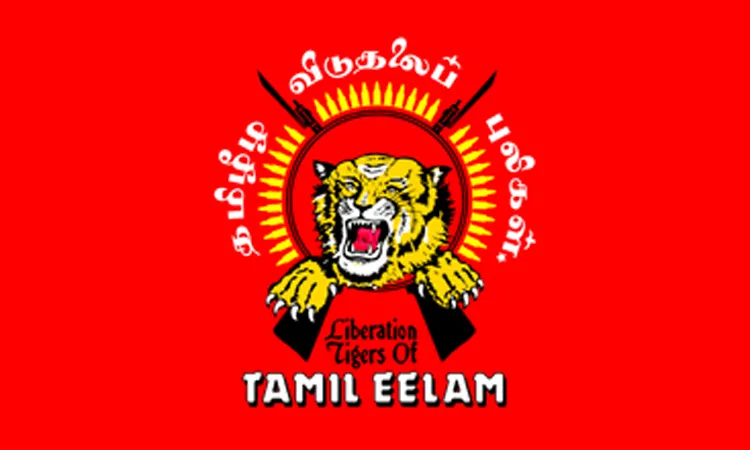
Image: https://www.tamilguardian.com/content/tamil-eelam-flags-fly-high-canada-and-uk
Image: https://www.reddit.com/media?url=https%3A%2F%2Fi.redd.it%2Fzjmyfgv6buu51.png
Image: https://i1.wp.com/www.errimalai.com/wp-content/uploads/2015/05/ltte-flag-1.jpg
https://tamilnation.org/tamileelam/defacto/flag.htm
https://restructure.wordpress.com/2009/05/15/tamil-eelam-flag-versus-tamil-tiger-flag/
|https://www.cbc.ca/news/canada/toronto/tamil-flags-flown-at-protest-legal-toronto
https://www.tgte-homeland.org/2023/11/18/tamil-eelam-national-flag-day-to-be-observed-around-the-world-on-november-21st-tgte/
 The Koboi Project

You must be logged in to post a comment.