Tok Dalang Cina

Eyo Hock Seng is a Kelantanese Wayang Kulit Dalang who has been practicing his craft for over 40 years. Today he is one of eight or nine wayang kulit Dalangs who are performing today. Not only is he a Chinese master of this Malay
art form, but he might also even be credited for keeping the form alive in Kelantan for 30 years during which the PAS State government had banned Wayang Kulit in Kelantan. He tells of how he was one of eighteen Dalangs in the State
when they all called to a meeting with the late Tok Guru Nik Aziz (Menteri Besar of Kelantan from 1990 to 2013 and Spiritual Leader of PAS until his death in 2015) in 1999. As Hock Seng recalls, when they were asked to perform
for Tok Guru, they did so with all the traditional ritual accouterments, including spells and glutinous rice offerings. The result of which is that Wayang Kuilt was banned, due to its unIslamic elements (Animist, Hindu/Buddhist).

In fact the Kelantan state government officially banned cultural performances like Mak Yong and Wayang Kulit under
the Entertainment\ and Entertainment Premises Enactment 1998. The Dalangs had to migrate to other states in order to continue their art and many gave up altogether. Eyo Hock Seng was the only one permitted to continue the practice as he was not a Muslim but he was restricted to presenting his Wayang in the Chinese and Siamese districts. During this time Eyo Hock Seng grew in stature as a performer and gained an international reputation. It was only in 2019 that the ban was lifted, with the proviso that there were no unIslamic elements of worship in the performances. Hock Seng laments that there were not many of the old Dalangs left who could return to the practice after the passage
of twenty years, as many had given up altogether and had sold their puppets and musical instruments during the ban.

The following questions relating to this episode in the history of Kelantanese Wayang Kulit inform my own Pokok Pauh Janggi performance (see notes)
1. To what extent can Malay culture be isolated from its pre-Islamic roots?
2. To what extent can the elements of pre-Islamic Malay culture be accepted within contemporary Malay Islam?
3. To what extent does contemporary Malay culture remain contigious with the wider spirit of the Archipelago?
4. To what extent can a contemporary citizen of Malay lands be assimilated to Malayness without being a Muslim?
5. Can only non-Malay/Non-Muslims perform and preserve Malay traditions that are presently considered unIslamic?

The first three questions pertain to the essence of Malay culture. The fourth and fifth question reflect on the significance of non-Malay/ non-Muslims performing, identifying with and preserving Malay cultural forms, Thes last questions index the prospect of an integrative, integral even, Malaysian identity.
https://worldofbuzz.com/un-official-wants-kelantan-to-lift-ban-against-traditional-art-like-mak-yong-wayang-kulit/

https://www.malaymail.com/news/malaysia/2019/09/25/kelantan-lifts-mak-yong-ban-after-two-decades-but-insists-performances-must/1794202

Pity the Stateless Children

I make this post in the wake of the recent policy reversal by the Malaysian government that requires adopted stateless children to the present of a passport in order to register for schooling. The specific issue of adopted children, cogent though it is in itself, brings forth the more general and much more important question of the state’s moral obligation to provide education to all children, stateless or otherwise, who live within its borders.

I ask the following questions, as an Indian and as a Malaysian –

First I ask, in the context if the statelessness of many Indians in our country, how can any person of Indian identity, holding Malaysian citizenship, fight for equality for themselves, without first embracing the fundamental struggle of our fellows who were brought to British Malaya as indentured laborers in the colonial political economy and then abandoned as the nation achieved independence? Do Indian Malaysians not have to fight for a parity of citizenship amongst out own people before we have the moral standing to question the injustices purportedly meted out to us in a Malaysia dominated by Malays who have, no doubt set their own postcolonial colonial reclamations and interests above all else in the nation.

According to the current UNHCR website ” the Malaysian Indian Community has faced challenges related to identity documentation and confirmation of Malaysian citizenship for many years” and in the estimation of Malaysian NGO, the Development of Human Resources in Rural Areas (DHRRA), there were 12,400 established stateless persons residing in West Malaysia as of the end of December 2017. The UNHCR notes that the documentation problems faced by stateless communities that might best be addressed by the Malaysian government at a policy level. (As an aside, the Pakatan Harapan GE 14 election campaign seems to have been hollow and hypocritical, if not downright dishonest in this its claims and promises on this matter)

Secondly, acknowledging that by no measure is the Indian community the only one facing the curse of statelessness, I ask, can any Malaysian meaningfully strive for anything else of moral worth in our nation, while accepting this denial of access to education to innocent children who are caught within its boarders, trapped in the administrative limbo of statelessness? Shame on Malaysian Indians when we cry louder about a lost Thaipusam holiday! Shame on all of us Malaysians who accept this situation!

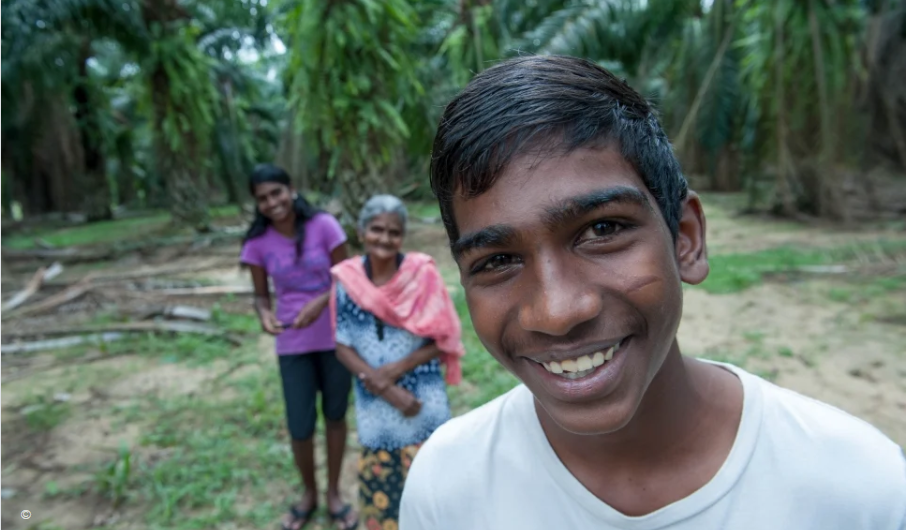
Image: https://www.unhcr.org/ending-statelessness-in-malaysia.html

https://malaysia.news.yahoo.com/stateless-children-still-denied-access-015100401.html

https://www.freemalaysiatoday.com/category/nation/2021/01/21/mic-puts-heat-on-kedah-mb-over-cancelled-thaipusam-holiday/

Koboi Balik Kampung 2

1 MUDIK PULANG Koboi Balik Kampung Series, 12 Chromogenic Printed in a Limited Edition of 9, Niranjan Rajah, 2015

​I will be presenting my Koboi Balik Kampung series of the Koboi Project at Percha Art Space in Lumut over the Christmas and New Year period. The show, titled Dari Pusat Tasek, will open on 25th Dec and run for 2 weeks. Koboi Balik Kampung presents a very personal perspective on the complexities of contemporary Malaysian art and society. It explores the notion of returning home from the diaspora, but also interrogates this idea in terms of the complex relationship between nationality and ethnicity. It was conceived in the course of my visit to Malaysia for Aliran Semasa {RearView Forward}, a series of events curated by Roopesh Sitharan in June and July, 2013. The images were gleaned from my activities in Kuala Lumpur and its surroundings. The titles delve deep into the Malay idioms and expressions. The series was mainly shot by my daughter Durga Rajah who was my constant companion on this trip.