I have not made any new posts since 25 December 2023, having become despondent over the ever-deepening genocide in Palestine. Nevertheless, this blog has had a doubling in viewership in 2024 due to the success of one post – ‘The Poppy is the Flower of Palestine.’
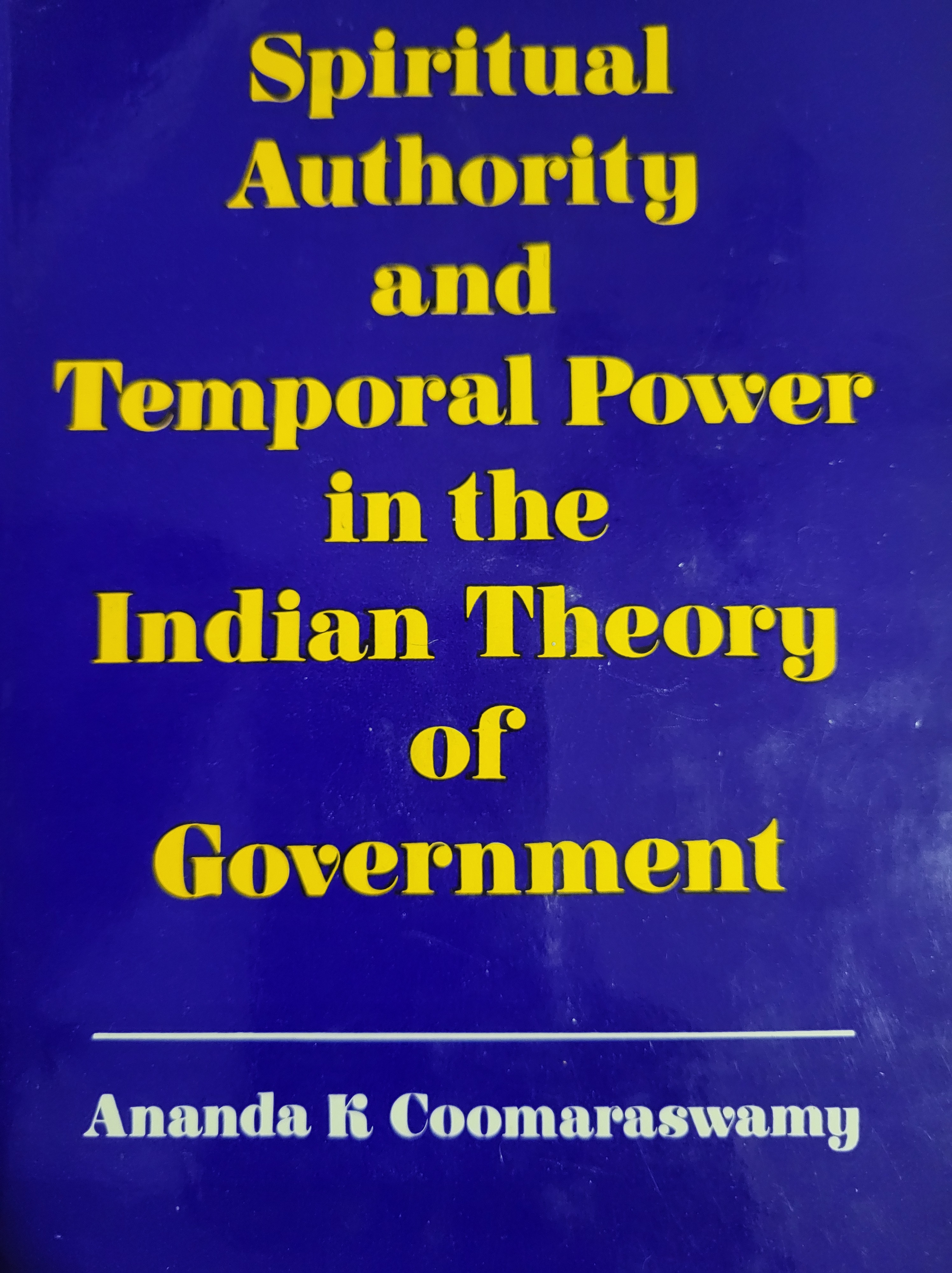
The Koboi Project Blog will be active again, addreessing the same questions of power and justice, but in a more metaphysical manner, beginning with a series of posts on Ananda Coomaraswamy’s ‘Spiritual Authority And Temporal Power In The Indian Theory Of Government’.
Yesterday was Remembrance Day, and I must confess that, as someone who has lived in lands whare this ritual is practiced since I was 17, I have never worn the Remembrance Day poppy. This is because, while I respect those who have fallen in service of their country, I have always thought this symbolism to be sanctimonius; that it is as much about pomp and militarism, as it is about honouring the sacrifices of the fallen.
My concerns have been heightened by the controversy around this year’s Remembrance Day observances in the UK, wherein the highest officials of government cast aspersions on the March calling for a ceasfire in Palestine that took place on the same day (Saturday 11th November). The Prime Minister, Rishi Sunak, had called for this march to be postponed claiming that it was “disrespectful and provocative,” because of its coincidence with and proximity to the service at the Cenotaph. His Home Secretary, Suella Bravaman, had characterized previous marches as “Hate Marches” on the basis of the chant “From the River to the Sea, Palestine Will be Free,” which she interpreted as a call for “the erasure of Israel from the map.” The irony of this savage disparagement, is that the ethea of Remembrance Day and the March for Palestine, are in fact, one and the same. An ‘armistice’ is a ‘ceasefire.’
There is, an even deeper irony here. The Imperial British symbol of remembrance, the red poppy, is also a national symbol of Palestine, a nation whose obliteration was initiated in one of the closing acts of the said imperium. As Rosabel Crean explains, the poppy, which grows in abundance in Palestine, symbolizes the relationship between Palestinians and their land, the bloodshed they have endured, as well as their resistance against Israeli occupation. My new awareness of the Palestinian symbolism notwithstanding, I will continue paying my respects to the dead of war, both civilian and military, without wearing the Remembrance Day poppy.

 The Koboi Project
You must be logged in to post a comment.