
The first propitiation of this performance (see notes) was to the spirits of the earth (jin tanah, also called hantu tanah, hulubalang or jambalang tanah), specifically the land (bumi) where the performance takes place. Soil from the ground below was gathered and placed in a woven basket and brought up to the roof of the Kapallorek Artspace, where the performance took place. A lighted candle was placed in this basket of soil while the following was uttered,
Aku minta’ ampun kapada kramat yang memegang tanah disini!
I beg forgiveness from the sacred spirits that hold this land!
This appeasement of spirits was performed wholeheartedly (dengan bersungguh sungguh) as magic (in terms of its metaphysical or spirtiual dimension), but not without an awareness some socio-political implications. The propitiation sets up a hierarchy of asspciation with the land – first there are the spirits (kramat) of the land, then the people who recognize and propitiate these spirits, and only then the others. In other words, first kramat yang memegang tanah disini!, then the orang Pribumi yang mengakui keunggulan Kramat tanah, and only after, the non-indegenous (orang baru datang or pendatang) who do not know (mengenali) the kramat .
An interesting implication of this model of primacy is that, as the Malays lose their connection with the Semangat of their land in the course of modernization (due to both Islamic modernism and secular modernity), they too get alienated from the land and lose their place in the hierarchy. Conversely, the pendatang who becomes attuned to this Semangat might, arguably, rise up. I belioeve that this aspect of the performance discretely problematizes the notion of the bumiputera that informs the Malaysian social contract.
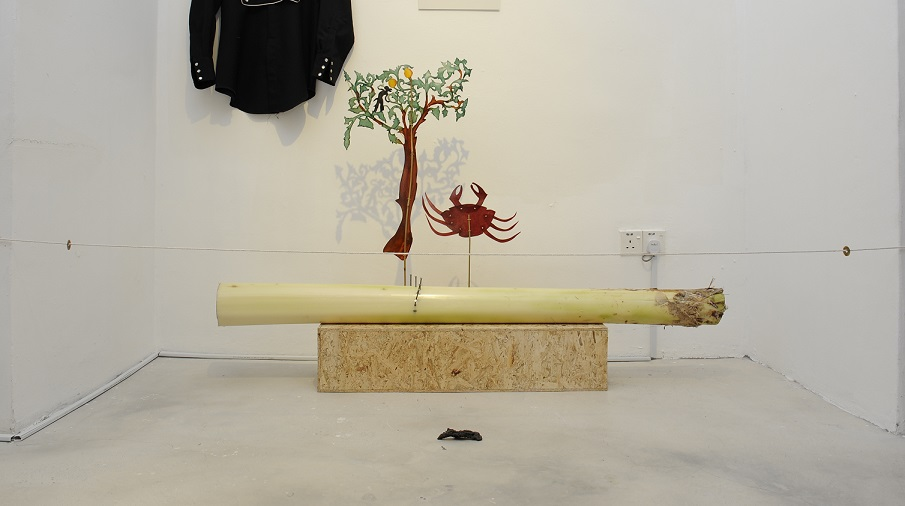
 The Koboi Project
You must be logged in to post a comment.