
Between 1997 and 1998 Dr. Raman Srinivasan of Chennai and I collaborated to build, theorize and install a virtual temple on the Internet. The Temple was built in VRML in Chennai and located on a server in Sarawak. It was presented to the international interactive arts community in a paper titled Sacred Art in a Digital Era: Or the Internet and the Immanent Place in the Heart at the 2nd Consciousness Reframed conference at the University of Wales College in Newport (not available online).
The VRML temple was based on sketches of the Hridayaleeswarar temple, an existing physical structure in Thirunindravur about 20 miles from Chennai. According to the Sthala Purana or founding legend of the temple, it was in fact erected by the great King Kadavaraja based on the proportions of what was initially a virtual temple built in devotional meditation by the sage Poosalar. Some years after our project ended and the website was taken down, I returned to the VRML model to make a 3D print of its central Icon, Lord Shiva Nadaraja. This image was sent to Chennai from Vancouver where it was consecrated by Srinivasan’s father and used in domestic worship.
At the heart of this project was the integration of the traditional and the technological relationships of the real to the virtual. There was first, in the sthala purana, a movement from myth to physical architecture and then, in our VRLM/Internet project, from the actual architecture to the virtual model and, finally moving from the VRML model to the physical 3D print. This work was grounded in the belief that as the World Wide Web makes the Internet globally accessible, it must become a medium for the living sacred traditions of the world.
I went on to develop a framework for the rapprochement of digital technology and sacred tradition in papers like the following –
- Immersive Virtual Reality and the Integration of Epistemologies presented at Invenção: thinking the Next Millenium
São Paolo, Brazil: ITAÚ Cultural, CAiiA – TAR, ISEA, Leonardo / ISAST (1999) - Online Pooja: The Internet as a site for the Contemplation of the Divine The Representation Of A New Cosmology presented at CAiiA-STAR Symposium: ‘Extreme parameters. New dimensions of interactivity’ (2001).
http://www.immersence.com/publications/1999/1999-NRajah-full.html
.
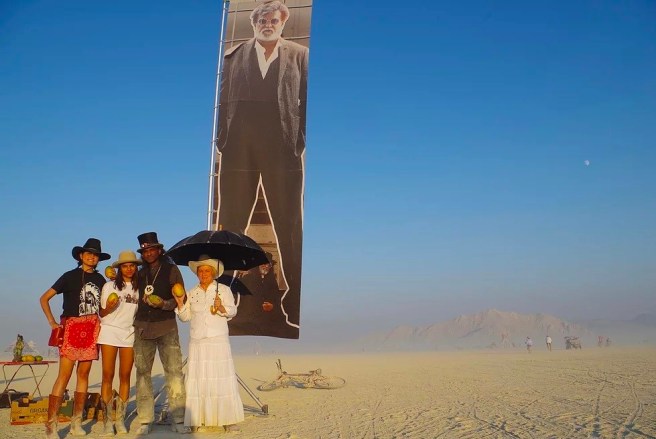
 The Koboi Project
You must be logged in to post a comment.